
How Much Is My Watch Worth?
When it comes to luxury watches, one of the most common questions owners ask is: How much is my watch worth? The answer depends on why you’re asking. Some people want to sell their watch and want a realistic resale value. Others are looking to update their insurance and need a replacement valuation. In many cases, collectors are simply curious to know how the market views their watch, especially if it might have gained value over time.
The brand name is often the first thing people consider, but it’s only part of the story. Some watches are valuable because of their cultural significance; Rolex, for example, has become almost synonymous with achievement, while Omega is famous for its link to space exploration and James Bond. Brands like Cartier bring in another layer of desirability by combining horology with their reputation in fine jewellery. On the other hand, highly technical houses such as Patek Philippe or Audemars Piguet are admired for their complications and craftsmanship, which can elevate value well beyond materials alone.
In short, a watch’s worth is determined by more than a single factor; it’s a mix of brand strength, rarity, craftsmanship, condition, and demand. Below, we’ll explore the main elements that influence value, with Rolex examples used throughout to illustrate how these factors play out in practice.
Contents
Brand & Model
Reference Number & Rarity
Watch Condition
Originality & Service History
Box & Papers
Age & Vintage Appeal
Market Demand & Trends
Provenance & Unique Features
1. Does Brand Affect Watch Value?
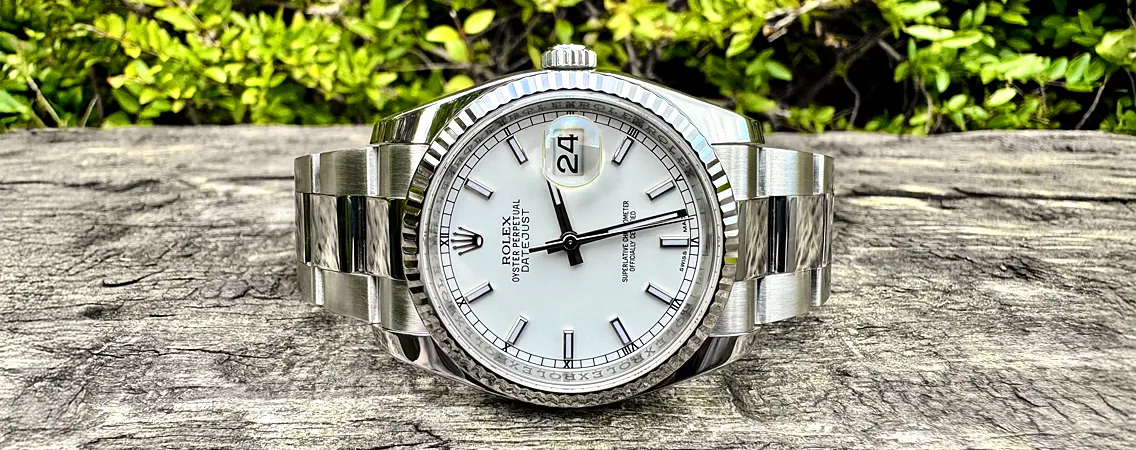
Brand reputation is usually the single biggest influence on how much a watch is worth. Rolex is the clearest example, with models such as the Submariner, Daytona, and GMT-Master II often selling above retail because demand consistently outpaces supply. Even simpler references like the Datejust hold strong value thanks to their broad appeal and recognition.
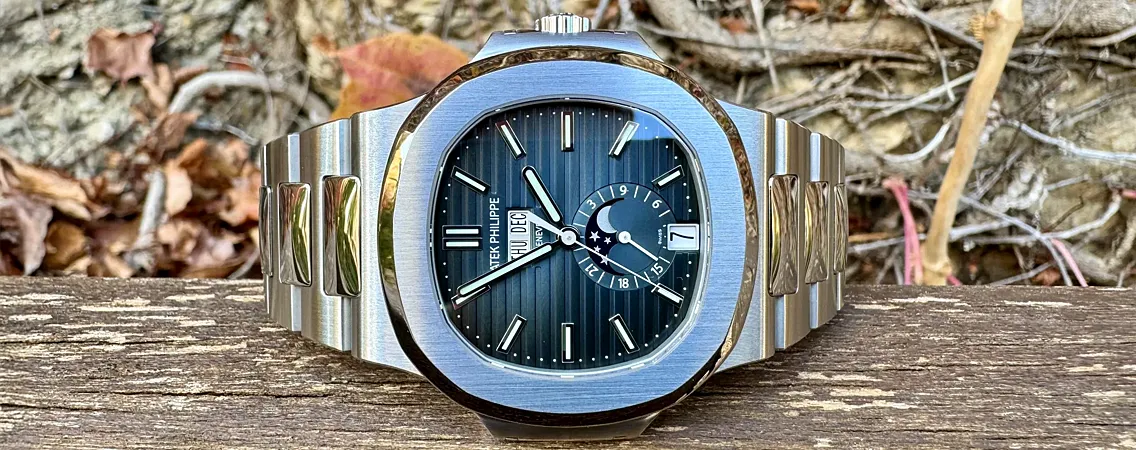
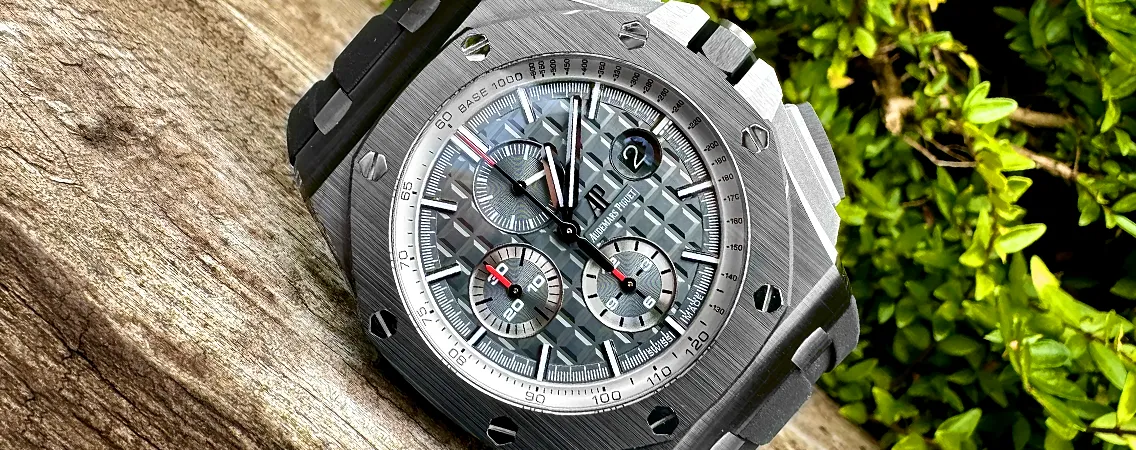
Patek Philippe takes prestige in a different direction. The brand produces far fewer watches each year, which makes many of its models rarer and often more valuable than comparable Rolex pieces. Audemars Piguet demonstrates how distinctive design can add to value, with the Royal Oak commanding premiums due to its iconic style and limited availability.
Ultimately, brand strength reflects more than just quality. It represents recognition, scarcity, and desirability, which is why two watches of similar specification can vary so much in value depending on the name on the dial.
2. How Important Is Rarity and Reference Number?
Every watch has a reference number that identifies its exact configuration, and rarity often drives value. Certain Rolex references have achieved legendary status among collectors precisely because they were produced in limited numbers or discontinued early. A classic example is the vintage Submariner with a “red” dial variation, which today is worth many times more than a standard Submariner from the same era.
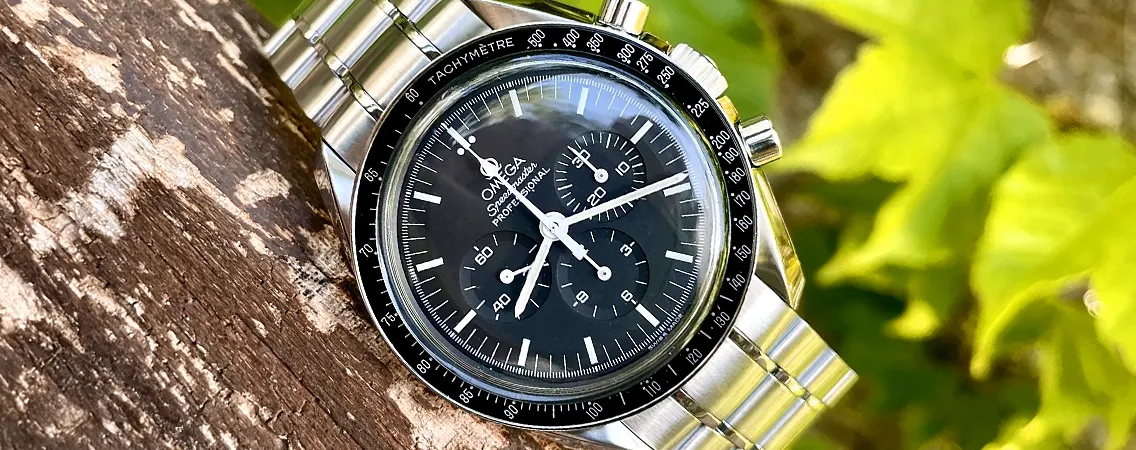
This principle applies across other brands too. Limited editions from Omega, rare dial colours from Patek Philippe, or unusual variations from Panerai can all command premiums. In essence, rarity, whether deliberate or accidental, transforms a watch into something far more desirable than its mainstream counterparts.
3. Does Watch Condition Affect Value?
Condition has a huge impact on value, and for many collectors, originality is more important than perfection. A Rolex case that has been heavily polished may look shiny, but it loses the sharp edges that enthusiasts value, and this can reduce its worth. By contrast, a watch that shows gentle, honest wear while retaining its original shape and details is often preferred.
Mechanical condition also matters. A watch that runs well and has been regularly serviced is more attractive to buyers, whereas one with problems in the movement may need expensive work before it can be worn, which lowers its value. Collectors will generally pay more for a watch that is both well-preserved and mechanically reliable.
4. Original Parts vs. Service History – What Matters Most?
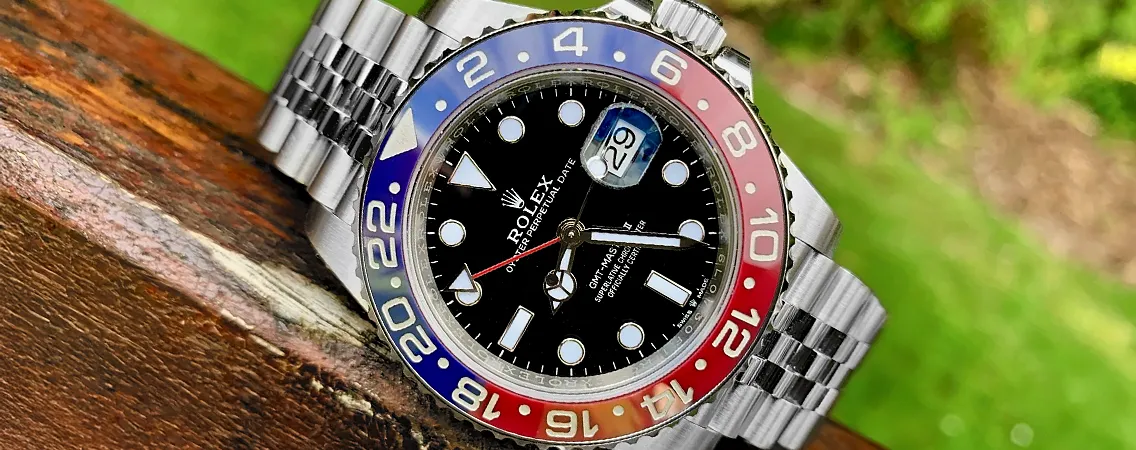
Originality is key when it comes to luxury watches. A Rolex GMT-Master with its original “Pepsi” bezel insert, for example, is almost always worth more than one fitted with a modern service replacement. The same is true for dials and hands; original components, even if they show some ageing, tend to command higher prices than pristine replacements.
That said, service history can still play an important role, particularly for modern watches. Buyers want reassurance that a timepiece has been properly cared for, and recent service documentation from Rolex or another authorised brand centre adds confidence. Ideally, a valuable watch will have both originality and a record of professional servicing.
5. How Much Is My Rolex Worth Without Papers?
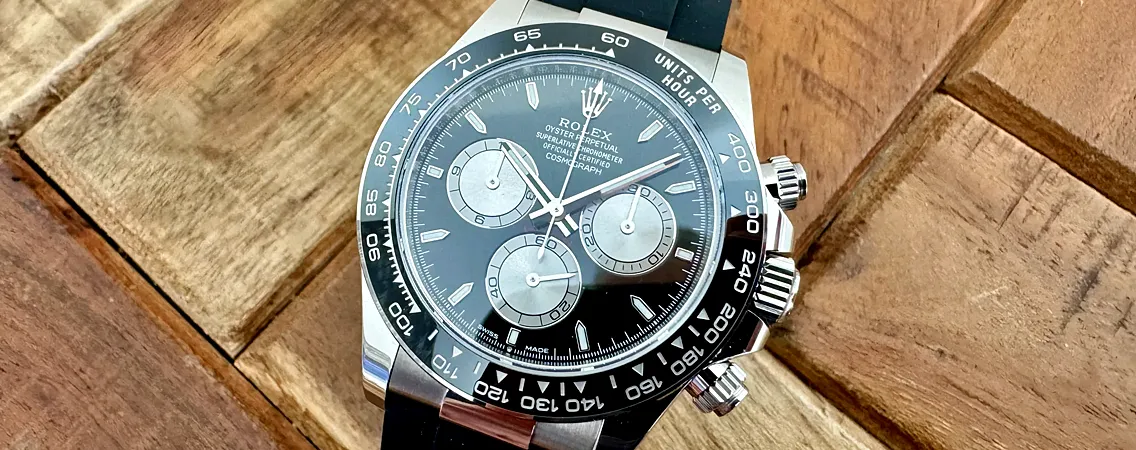
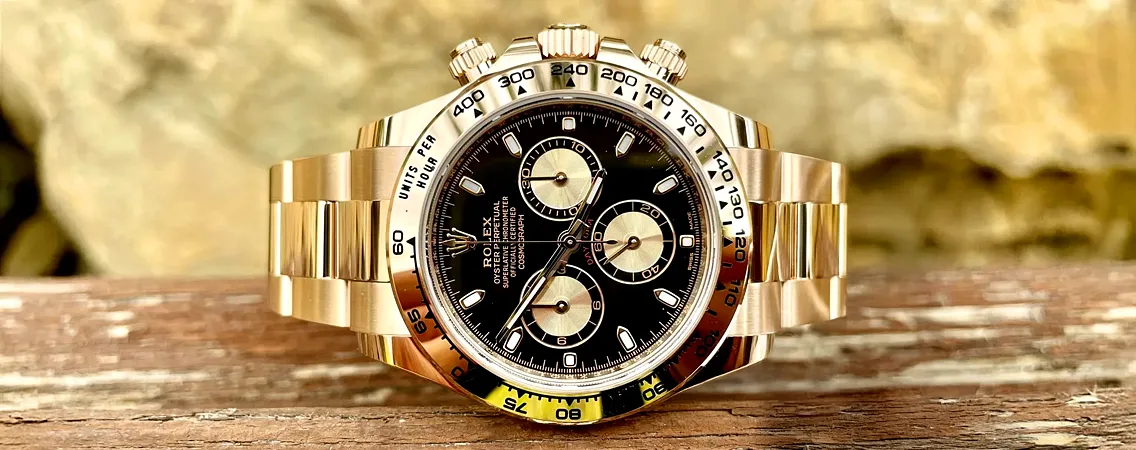
The presence of original box and papers can make a considerable difference. Collectors call this a “full set,” which includes the presentation box, guarantee card or certificate, and any booklets or accessories supplied at the time of purchase. A Rolex Daytona, for example, can be worth 20–40% more when sold with its complete set compared to the same watch without documentation.
This isn’t unique to Rolex – Patek Philippe watches accompanied by their original certificates, or an Audemars Piguet Royal Oak with its full paperwork, are always more attractive to serious buyers. In short, provenance strengthens value, and paperwork helps to prove it.
6. Does Age Increase the Value of a Watch?
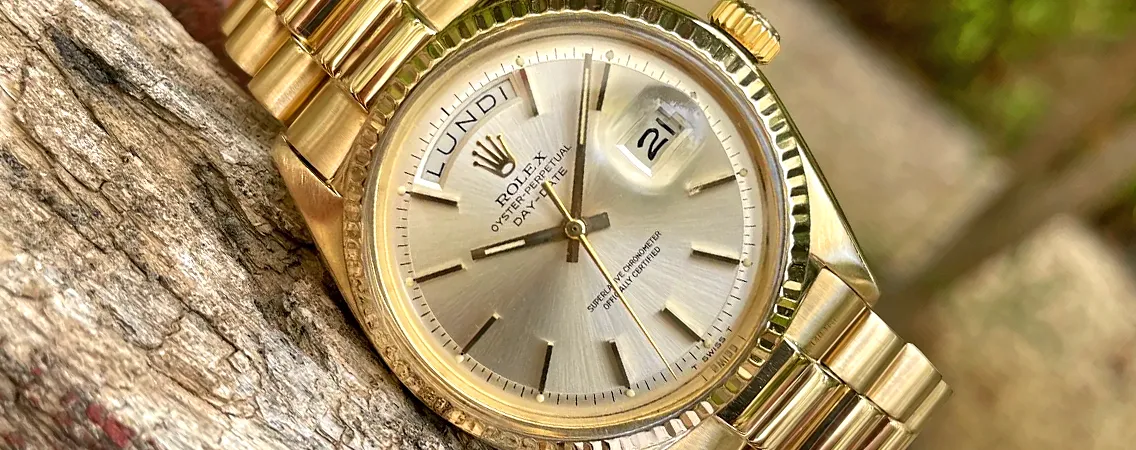
Age alone doesn’t automatically make a watch valuable, but when combined with rarity and desirability, vintage models can become highly sought after. A Rolex Day-Date “President” from the 1960s, especially in precious metal, is a prime example of a vintage Rolex watch with massive appeal. Some pieces develop unique patinas on their dials over time, which adds character and further boosts collectability.
On the other hand, certain modern watches also achieve high secondary-market values despite being relatively new. Stainless steel Rolex sports models, for instance, are notoriously difficult to obtain at retail, meaning pre-owned examples often change hands for a premium. Value, therefore, is not only about age but also about demand in the present market.
7. Do Watch Market Trends Matter?
Absolutely. Watch values are closely tied to collector demand and wider market trends. In recent years, stainless steel sports watches have surged in popularity, often outperforming equivalent gold models. Colour also plays a role, with blue dials across many brands seeing particularly strong demand.
Trends can shift, but they often reinforce the importance of brand and rarity. A design that suddenly becomes fashionable can elevate even long-established models to new heights, while less popular styles may see slower growth in value.
8. Provenance: Can a Watch’s Story Add Value?
The story behind a watch can be just as important as the watch itself. A perfect example is the Rolex Daytona owned by Paul Newman, which sold at auction in 2017 for over $17 million. While vintage Daytonas are already highly collectable, the direct connection to the actor — and the fact that this particular model gave rise to the nickname “Paul Newman Daytona” — elevated it into the record books as one of the most valuable watches ever sold.
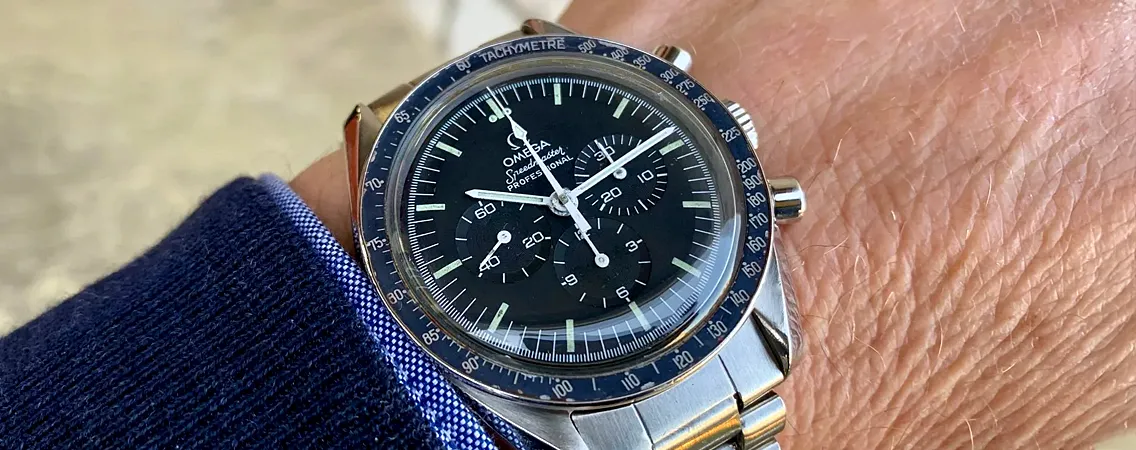
Other brands have seen similar effects. The Omega Speedmaster worn by astronaut Buzz Aldrin during the Apollo 11 mission is widely considered priceless due to its link with the moon landing. At the high end, the Patek Philippe Grandmaster Chime “Only Watch” sold for $31 million in 2019, not just because of its technical brilliance but because it was a one-of-a-kind piece with a unique story. These examples show how provenance, whether celebrity ownership, historical significance, or unique manufacture, can transform a watch from collectable to legendary.
How Much Is Your Watch Worth?
Determining a watch’s value isn’t an exact science, but it almost always comes down to brand strength, rarity, condition, originality, and completeness.
Get a Professional Valuation
If you’re considering selling your watch, getting an accurate valuation is the first step. Our team specialises in Rolex and other luxury watches, and we can provide a clear, up-to-date market assessment to help you understand what your timepiece is really worth. Whether you own a modern Rolex sports model or a vintage piece with history, we can advise on its value and guide you through the selling process.
Contact us today to get a professional appraisal of your watch.